


















Your go-to guide for Toronto student life.

How to Cope with Student Burnout Before It Gets Bad
Published September 30, 2026 by Jenna Coletta
Student burnout often sneaks up on you without warning. Whether you’re drowning in assignments or struggling to balance school and life, it can happen to anyone. I’ve been there, and I’ve learned that catching it early makes all the difference. Here’s how to cope with burnout before it takes hold.
1. Do a Self-Check In
The first step is awareness. When I notice myself feeling exhausted, unmotivated, or overwhelmed, I pause and ask myself what’s really happening. What is causing me excessive stress? Sometimes burnout builds gradually, so I’ve found it helps to journal about what I’m feeling or what specifically makes me feel stressed.
Once you’ve identified the source, start making small changes:
- Try to remove unnecessary stress from your life. If that’s not possible, reach out to teachers or supervisors in advance if you think you might need an extension or accommodation.
- Be mindful about taking on new tasks if you are starting to feel overwhelmed.
2. Move Your Body & Do Things You Enjoy
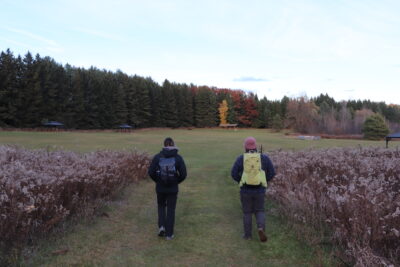
One of the most effective ways I’ve found to combat burnout is to intentionally build rest and movement back into my life. This doesn’t have to be complicated or expensive. A simple walk through one of Toronto’s great parks (Trinity Bellwoods and High Park are personal favourites) can do wonders for your mental state. You can also try a yoga class, kickboxing, or any other physical activity that appeals to you.
Beyond movement, give yourself permission to enjoy things:
- Try a new hobby, something you’ve never done before.
- Treat yourself to a movie.
These small moments of pleasure are not indulgences; they’re essential to recovery.
3. Nourish Your Body & Mind
What you eat and how you rest directly impact your ability to handle stress. A balanced diet with plenty of fruits and vegetables can make a real difference in your stress levels. But nourishment isn’t just about being “healthy.” It’s also about enjoying food. Make your favourite meal, order in something you love, or treat yourself to something sweet. You deserve it.
Similarly, prioritize sleep. Aim for 7-9 hours of quality rest each night. If you’re struggling to get through the day, a nap can help too. I’ve noticed that when I neglect sleep, everything feels harder.
4. Get Support
You don’t have to do this alone. Talking with a loved one or close friend about what you’re experiencing can shift your perspective and remind you that support exists. When I’m feeling burnt out, reaching out to someone I trust has always helped me feel less isolated.
If you need professional help, your school offers free mental health services. Search “mental health support” followed by your school’s name to find what’s available.
You can also contact Good2Talk at 1-866-925-5454 for free, confidential support for post-secondary students, and the City of Toronto’s mental health support page lists additional resources in your community.
5. Make Time for Rest & Recovery
According to Rise Workplace Wellbeing’s burnout research, your body and brain need about 42% of your time devoted to rest and recovery. That’s roughly 10 hours out of every 24.
Don’t stress about hitting it perfectly every day. Instead, aim to balance it out over several days with a mix of:
- 7-9 hours of sleep
- 20 to 30 minutes talking with someone you trust about your stress
- 30 minutes of physical activity
- 30 minutes enjoying your food
- 30 minutes doing whatever you need in that moment (a nap, social time, decompressing)
The key is flexibility. Some days you’ll move more, other days you’ll prioritize sleep. What matters is that you’re intentionally creating space for rest and connection. When you do, everything else gets easier.
Remember
Although things might feel overwhelming right now, they will get better. Sometimes you just need to take a step back and breathe. Support is always available, and there is always someone who cares.