

















Your go-to guide for Toronto student life.

FIFA 2026: What to Know about the World’s Largest Sporting Event
Published May 15, 2026 by Jaden Whitelaw
This summer, the world’s biggest sporting event will arrive in North America. The 2026 FIFA World Cup will span three host nations – Mexico, the United States, and right here in Canada, marking the first time the tournament has ever been hosted by three countries.
For us in Toronto, the event will be more than something to watch on TV; it will unfold right in our backyard.
Here’s what you need to know about the world’s largest sporting event before kickoff on June 12th!
Toronto Will Host Matches
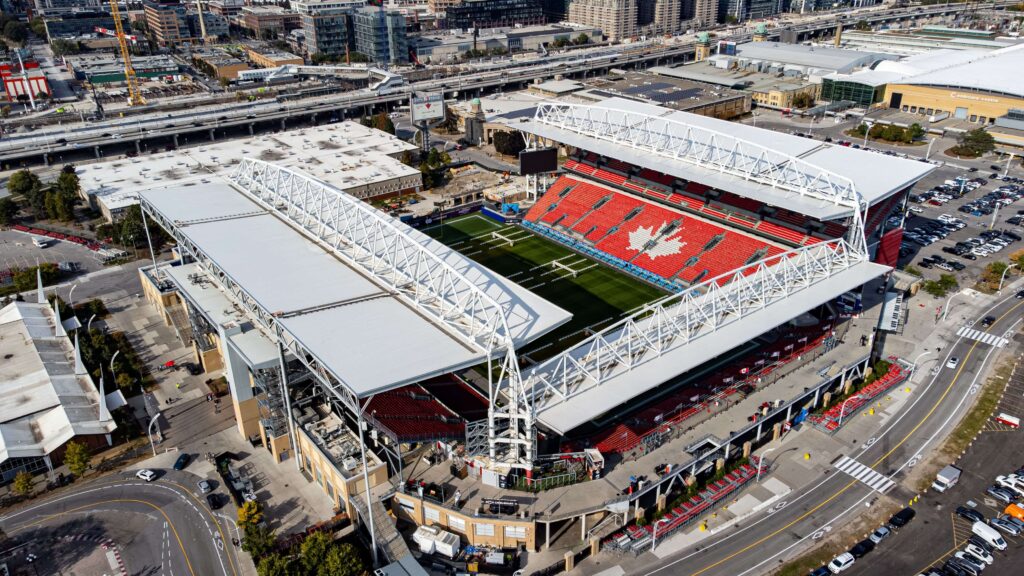
Toronto is set to host six matches at BMO Field, the home stadium of Toronto F.C. The stadium is currently undergoing upgrades to meet the requirements of FIFA, the international governing body of soccer.
During the tournament, the city will see a major influx of visitors, with fans travelling around the globe to experience the matches. Large parties, viewing areas, and cultural events are also expected to pop up across the city, creating a festival-like atmosphere throughout Toronto.
The city itself is running the FIFA Fan Festival at Fort York National Historic Site and The Bentway.
The Tournament Will Be Bigger Than Ever
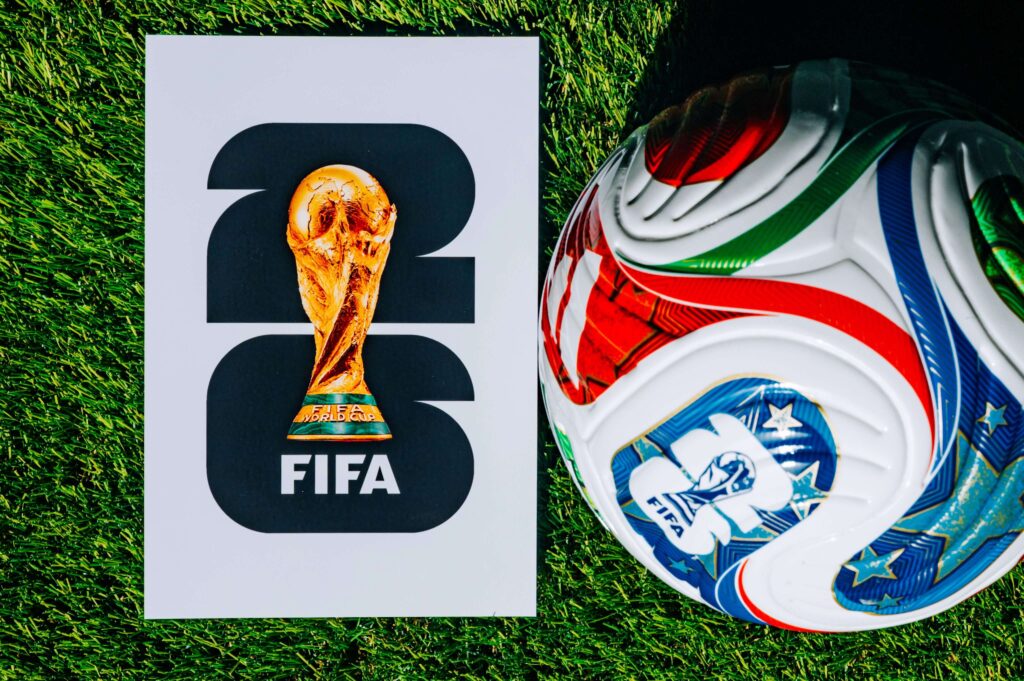
The World Cup is already the most-watched sporting event on the planet, but the 2026 edition will be even larger. For the first time, the tournament will feature 48 national teams, an expansion from the 32-team format used in recent years.
This change means more games, more countries represented, and a longer tournament. In total, 104 matches will be played across host cities in the three countries.
Canada’s Role in the Tournament
For Canada, hosting the tournament represents a major milestone for soccer in the country. The men’s national team qualified for the 2022 FIFA World Cup in Doha, Qatar; their first appearance in the tournament in 36 years.
Since then, interest in the sport has surged across the country. Star players like Alphonso Davies and Jonathan David have helped raise Canada’s international profile and bring a new generation of fans into the game.
Hosting matches in Toronto, as well as Vancouver, will give Canadian fans a rare
chance to experience World Cup soccer in person.

Economic & Cultural Impact
Major sporting events often promise economic benefits, including tourism, job creation, and infrastructure improvements. Local businesses, restaurants, and hotels are expected to see a significant boost during the tournament.
However, hosting the event also raises questions about costs and long-term impacts. City officials must balance investments in stadium upgrades, security, and transportation while ensuring the event benefits local communities.
What it Means
For Torontonians, the 2026 World Cup will likely affect daily life in the city. Transit routes may change, downtown areas could become busier, and student communities may host viewing parties and cultural events tied to the tournament.
But it will also be a once-in-a-generation moment. The World Cup only comes around every four years – and hosting it is even rarer.
When the opening whistle blows in 2026, Toronto won’t just be watching the world’s biggest sporting event. It will be part of it.